
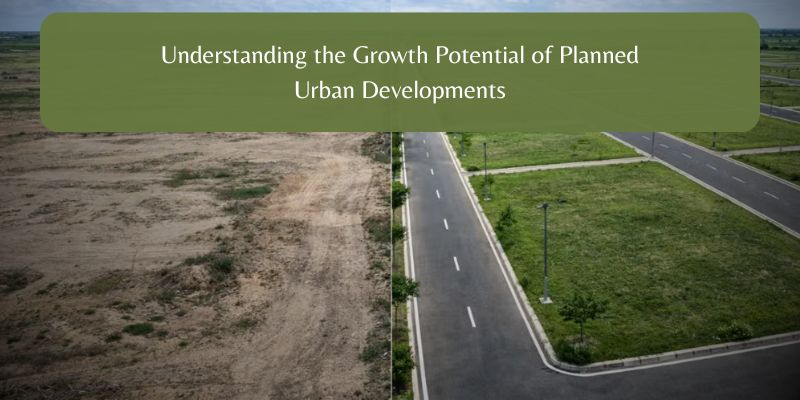
India’s urban transformation is creating new opportunities for sustainable growth and long-term real estate expansion. Planned urban developments are emerging as key drivers of this change, offering organized infrastructure, efficient land utilization, and improved quality of life. Unlike unstructured urban growth, these developments follow a strategic vision that supports residential, commercial, and industrial activities. As investors increasingly seek future-ready destinations, interest in residential plots in Dholera and similar planned regions continues to grow due to their structured development approach and long-term potential.
Why Planned Urban Developments Matter
Planned urban developments are designed to accommodate future population growth while ensuring efficient use of resources and infrastructure. These projects typically incorporate transportation networks, utility systems, public amenities, and green spaces from the beginning.
Key characteristics of planned developments include:
- Well-defined zoning regulations
- Improved road and transport connectivity
- Sustainable environmental practices
- Better public infrastructure
- Long-term economic planning
Such features contribute to creating organized urban ecosystems that support both residents and businesses.
Infrastructure as a Foundation for Growth
Infrastructure remains one of the most important factors influencing the success of any urban development. Roads, utilities, communication networks, and public facilities create the foundation for economic activity and real estate demand.
A Residential project Dholera is often evaluated based on how effectively it integrates essential infrastructure into its development framework. Reliable infrastructure attracts residents, businesses, and institutions, helping create a balanced and sustainable urban environment.
When infrastructure development progresses alongside urban planning, it can strengthen market confidence and encourage long-term investment activity.
Economic Benefits of Organized Development
Planned urban regions contribute to economic growth by creating environments that support multiple industries and services. As businesses establish operations, employment opportunities increase, leading to greater demand for housing and commercial spaces.
Some of the economic advantages include:
- Job creation across sectors
- Increased business activity
- Higher demand for housing
- Expansion of support services
- Enhanced regional development
These benefits often create a cycle of growth where infrastructure and economic activity reinforce one another, contributing to the overall attractiveness of the area.
Impact of Key Development Factors
| Development Factor | Potential Impact |
| Transportation Networks | Improved accessibility |
| Utility Infrastructure | Better living standards |
| Industrial Growth | Employment generation |
| Commercial Expansion | Increased economic activity |
| Public Amenities | Higher residential appeal |
The combined effect of these factors can influence both property demand and long-term urban sustainability.
The Role of Planning in Future Real Estate Markets
As urban populations continue to rise, strategic planning becomes increasingly important. Developers, policymakers, and investors are focusing on projects that can support future growth without placing excessive pressure on resources.
Interest in Dholera smart city plot booking reflects a broader shift toward developments that prioritize infrastructure, connectivity, and long-term planning. Buyers and investors are increasingly evaluating locations based on future readiness rather than solely current conditions.
This approach encourages more informed decision-making and supports the creation of resilient urban communities capable of adapting to changing economic and demographic trends.
Emerging Trends in Planned Urban Development
The future of urban development is expected to be shaped by technological innovation, sustainability initiatives, and integrated infrastructure planning.
Several trends are gaining attention:
- Smart infrastructure systems
- Environmentally conscious planning
- Mixed-use developments
- Improved digital connectivity
- Integrated residential and commercial zones
These trends are helping create urban environments that are more efficient, connected, and adaptable to future needs. As a result, planned developments are likely to remain an important component of India’s urban growth strategy.
Frequently Asked Questions
1. What are planned urban developments?
Planned urban developments are strategically designed areas that include residential, commercial, industrial, and public infrastructure components within a structured framework.
2. Why are they attractive to investors?
They often offer organized infrastructure, better connectivity, and long-term growth potential, making them appealing for future-focused investment strategies.
3. How does infrastructure affect urban growth?
Infrastructure supports transportation, utilities, communication, and public services, all of which contribute to economic activity and property demand.
4. Are planned developments environmentally sustainable?
Many modern developments incorporate green spaces, efficient resource management, and sustainable construction practices to support environmental goals.
5. What should be considered before investing?
Factors such as infrastructure progress, development plans, location advantages, regulatory conditions, and long-term growth prospects should be evaluated carefully.
Conclusion
Planned urban developments are playing an increasingly important role in shaping the future of India’s cities. By combining infrastructure, sustainability, economic opportunities, and strategic planning, they create environments that can support long-term growth and improved quality of life. Investors and stakeholders continue to monitor these emerging regions as urban expansion accelerates across the country. Interest in residential projects Dholera reflects the broader appeal of structured development models. Companies such as Kavvaninfrra operate within this evolving landscape, highlighting the growing importance of well-planned urban growth in modern real estate markets.