
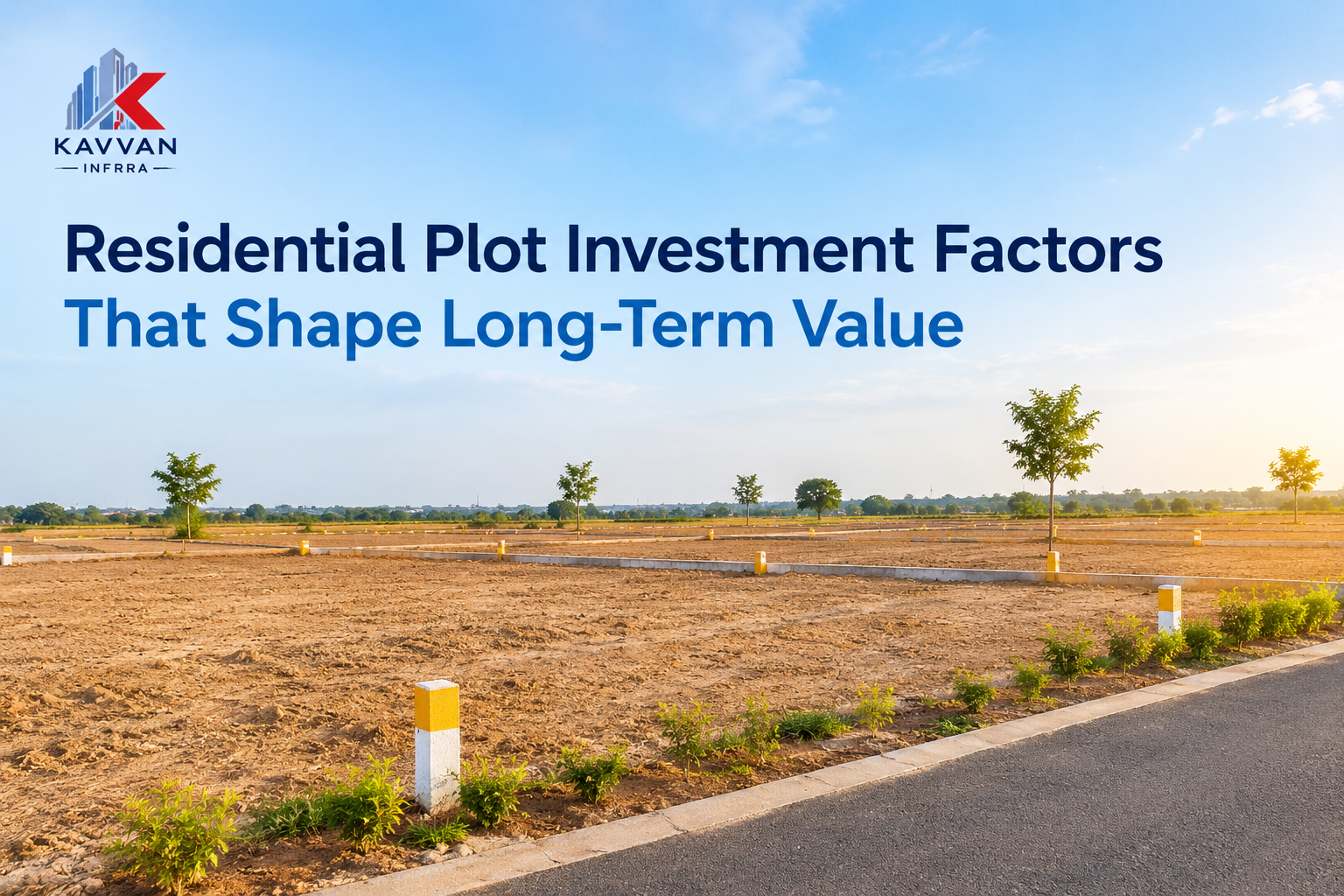
Buying land for future use or investment requires more than comparing prices. The right property should have clear documentation, practical access, suitable planning, and a development environment that supports long-term usability. For buyers researching residential plots in dholera, understanding how to assess a project before committing can help reduce uncertainty. Kavvan Infra approaches real estate development with an emphasis on planning, legal compliance, and future-ready projects, making due diligence an important part of the buying process.
Understanding What Makes Land a Practical Investment
Land is different from a ready-to-move property because its value can depend heavily on surrounding development. Roads, utilities, employment opportunities, public infrastructure, and future connectivity can all influence how useful a parcel becomes over time.
However, development potential should not be confused with guaranteed appreciation. A responsible buyer should examine the actual infrastructure available today while also considering officially documented plans for the surrounding area.
Three factors deserve particular attention:
- Connectivity: Check road access, nearby transportation routes, and practical travel times.
- Infrastructure: Understand the availability and development status of electricity, water, drainage, roads, and other essential services.
- Land use: Confirm that the intended residential or commercial purpose is permitted for the specific parcel.
This approach creates a more realistic picture than relying solely on projected future returns.
Choosing Residential Land With Confidence
When comparing dholera residential plots, buyers should evaluate the entire development rather than focusing only on the quoted rate per square yard. A lower entry price may not necessarily represent better value if infrastructure, documentation, or accessibility is inadequate.
Before making a decision, compare properties using measurable criteria.
| Factor | What to Check | Why It Matters |
| Documentation | Ownership records, approvals and relevant permissions | Reduces legal uncertainty |
| Location | Road access and surrounding development | Affects convenience and future usability |
| Infrastructure | Roads, drainage, utilities and lighting | Supports practical development |
| Plot layout | Dimensions, access and orientation | Influences construction possibilities |
| Developer process | Transparency and documentation support | Makes transactions easier to evaluate |
Site visits are equally important. Photographs and brochures cannot always reveal road conditions, surrounding construction, drainage, or the character of neighbouring development.
Look Beyond the Plot Boundary
A parcel does not exist in isolation. Its usefulness can change considerably depending on what is being developed around it. Buyers should therefore study the broader development ecosystem before making a purchase.
Consider whether the surrounding area has planned residential communities, commercial activity, industrial development, educational facilities, healthcare access, or recreational spaces. A balanced environment can contribute to long-term livability, while excessive dependence on a single future development may increase uncertainty.
It is also useful to distinguish between completed infrastructure and proposed infrastructure. Ask which facilities are operational, which are under construction, and which remain part of future plans. This simple distinction can make property comparisons considerably more objective.
Comparing Residential Projects More Effectively
Not all dholera residential projects should be evaluated using the same criteria. Some buyers may prioritise future construction, while others may be interested in creating a home, holding land for several years, or diversifying an investment portfolio.
A useful comparison should therefore include:
- Purpose: Define whether the property is intended for construction, future use, or investment.
- Budget: Account for registration, taxes, development charges, construction and other associated expenses.
- Timeline: Decide how long you are comfortable holding the property before expecting practical use.
- Documentation: Verify title, approvals, ownership structure and applicable restrictions.
- Physical inspection: Visit the site and compare actual conditions with project information.
Kavvan Infra lists residential developments alongside commercial and industrial projects, reinforcing the importance of understanding the specific purpose and characteristics of each development before selecting one.
Making Due Diligence Part of the Buying Process
A disciplined purchase process can prevent many avoidable complications. Buyers should request relevant documents and, where appropriate, have them reviewed by an independent legal professional.
It is also sensible to avoid making decisions based solely on urgency or projected returns. Ask for written details rather than relying entirely on verbal explanations. Check the exact plot number, dimensions, access, development status, payment schedule, and transfer conditions before signing.
A site visit can then be used to verify practical details. Speak with the project representative, but independently confirm important legal and financial information wherever possible.
FAQs
Is buying a residential plot better than buying a ready property?
It depends on the buyer’s objective. Land may provide greater flexibility for future construction, while a ready property can offer immediate usability. Budget, timeline, financing and intended use should guide the decision.
What documents should be checked before purchasing land?
Ownership records, title documents, approvals, permissions, layout plans and applicable land-use information should be reviewed. Independent legal verification is advisable before completing the transaction.
Should I visit a plot before purchasing it?
Yes. A physical inspection helps verify access, surrounding development, road conditions, drainage and the actual setting of the property.
How should I compare two similar plots?
Compare their documentation, dimensions, accessibility, infrastructure, development status, total acquisition cost and suitability for your intended use rather than comparing only the headline price.
Does future infrastructure guarantee appreciation?
No. Planned infrastructure may influence development potential, but appreciation is never guaranteed. Buyers should assess present conditions alongside credible, documented development plans.
Conclusion
A well-informed land purchase starts with research rather than assumptions. Buyers should examine documentation, infrastructure, accessibility, plot characteristics and the broader development environment before committing capital. Taking time to compare dholera plots objectively can help buyers identify property that aligns with their financial capacity, intended use and investment horizon. The strongest decision is ultimately one supported by verified information, realistic expectations and thorough due diligence.