
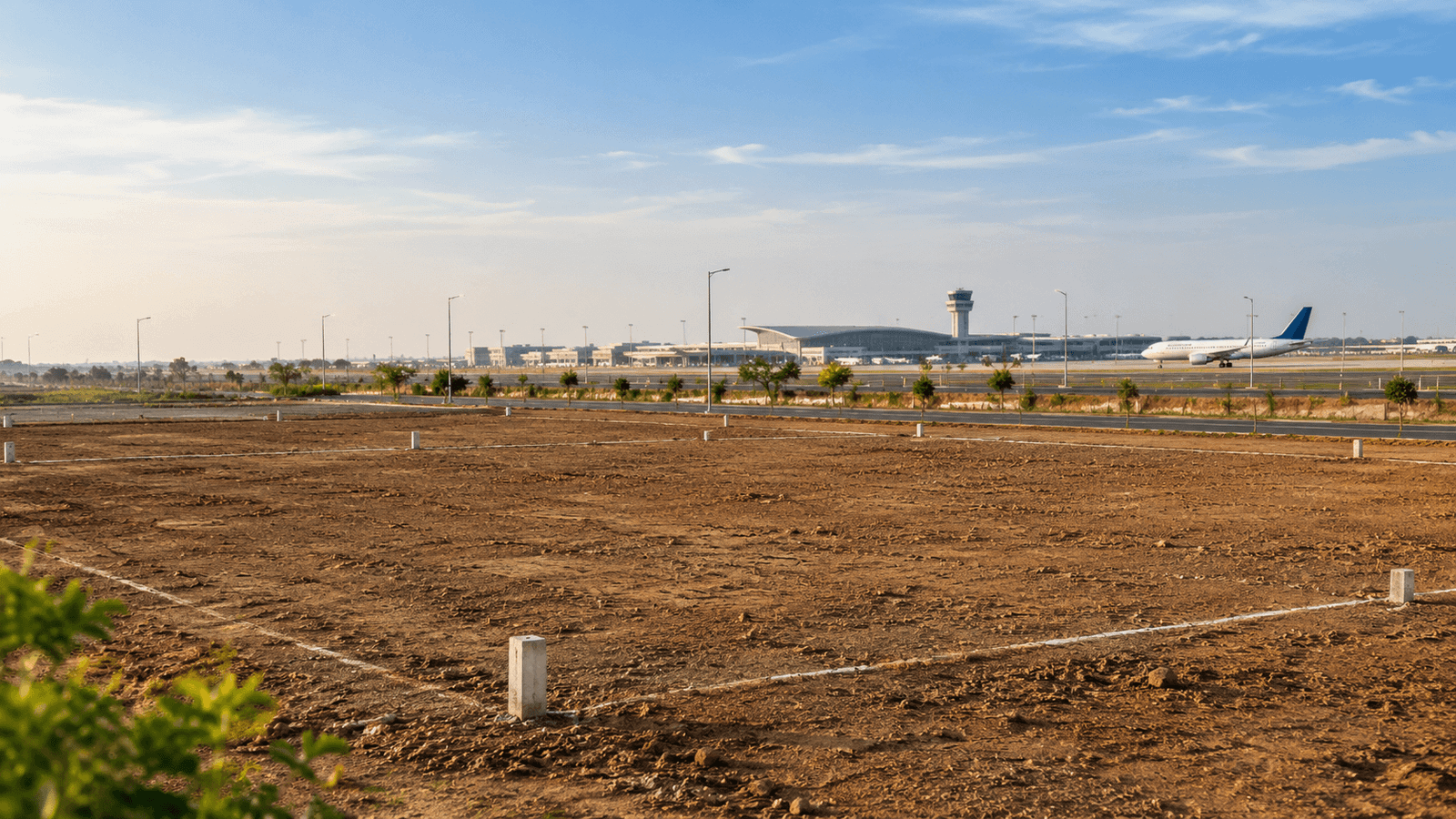
Infrastructure development is an important factor influencing real estate decisions, particularly in emerging investment destinations. With planned connectivity improvements and industrial development, Dholera has attracted attention from homebuyers and investors looking for long-term opportunities. The proposed international airport is one of the infrastructure projects expected to support regional growth and improve accessibility. For buyers evaluating dholera plots, understanding the benefits, potential risks, and location-related factors can help them make informed property decisions.
1. Improved Connectivity and Accessibility
Connectivity plays a significant role in determining the long-term appeal of a property. The Dholera International Airport project is intended to strengthen air connectivity and support the region’s industrial and economic development.
Improved transportation infrastructure may benefit nearby residential areas by making travel and business activities more convenient over time.
Key advantages include:
- Better regional access: Airport infrastructure may improve connections with other commercial centres and destinations.
- Support for business travel: Industrial professionals, entrepreneurs, and visitors may benefit from improved transportation options.
- Potential infrastructure expansion: Roads and supporting transport facilities may develop alongside broader regional projects.
- Greater location awareness: Improved connectivity can increase interest in areas that were previously less accessible.
However, buyers should assess actual road access and project progress rather than assuming every nearby parcel will benefit equally.
2. Potential for Long-Term Property Appreciation
Infrastructure development can influence real estate demand, although appreciation is never guaranteed. Properties located in areas with improving connectivity, employment opportunities, and supporting facilities may attract greater interest as development progresses.
Several factors can affect the future value of a plot:
- Distance from the airport and major transportation routes.
- Availability of essential infrastructure, including roads, electricity, and water.
- Proximity to planned industrial and commercial developments.
- Local demand for residential land.
- Legal clarity, permitted land use, and overall development status.
Buyers should compare current market prices with the location’s actual development stage. Instead of relying solely on projected future values, they should evaluate whether the purchase price is reasonable under present conditions.
3. Growing Interest in Residential Development
As industrial and infrastructure projects progress, demand for housing may increase in suitable surrounding areas. Employees, business owners, service providers, and other professionals may eventually seek accommodation closer to their workplaces.
This possibility makes dholera residential plots worth evaluating for buyers who want to build a home in the future or hold land for longer-term use.
Before selecting a residential parcel, consider the following:
- Neighbourhood development: Check whether nearby residential areas are occupied, under construction, or still at the planning stage.
- Essential services: Verify access to water, electricity, drainage, and usable roads.
- Development permissions: Confirm that the land is legally suitable for residential construction.
- Future usability: Consider whether the plot’s size, frontage, and surroundings match your intended requirements.
A residential purchase should be based on practical usability as well as future growth expectations.
4. Opportunities Linked to Industrial and Economic Growth
Dholera is associated with planned industrial development and the broader vision of a special investment region. Economic activity can influence housing requirements, supporting services, and demand for land.
If industrial projects attract businesses and employment, nearby areas with appropriate infrastructure may experience increased residential interest. Nevertheless, the timing and scale of these effects depend on actual project execution, business activity, and population growth.
Potential benefits of economic development include:
- More employment opportunities in relevant sectors.
- Increased demand for housing and everyday services.
- Greater need for commercial facilities and supporting infrastructure.
- Additional interest from businesses and long-term property investors.
Buyers should distinguish between officially approved projects, projects under construction, and proposals that have not yet reached implementation.
5. Comparing Property Options Near the Airport
Not every plot near a major infrastructure project offers the same advantages. Location, land classification, access, development permissions, and purchase price can significantly affect a property’s suitability.
When assessing plots near dholera airport, buyers should compare the available options using practical criteria rather than distance alone.
| Evaluation factor | What buyers should check | Why it matters |
| Location | Distance from the airport and key roads | Helps assess accessibility |
| Land status | Ownership records and land classification | Reduces legal uncertainty |
| Infrastructure | Roads, drainage, electricity, and water | Influences usability |
| Development permissions | Approved land use and applicable regulations | Determines permitted construction |
| Pricing | Comparable transactions and prevailing rates | Supports a realistic valuation |
| Holding period | Investment budget and expected time horizon | Helps manage financial risk |
This comparison can help buyers identify properties that match their objectives without relying on speculative claims.
6. Important Legal Checks Before Buying
Legal verification is essential when purchasing land in an emerging development area. Attractive prices or projected infrastructure benefits should never replace proper due diligence.
Before paying a booking amount or signing an agreement, buyers should:
- Verify the seller’s ownership and title documents.
- Review the relevant land records and mutation entries.
- Check for mortgages, disputes, encumbrances, or competing claims.
- Confirm the land’s permitted use and any applicable development restrictions.
- Verify the approved layout and subdivision permissions, where applicable.
- Check access rights and the legal status of connecting roads.
- Review applicable approvals with the relevant development authority.
- Obtain a written sale agreement and understand all payment conditions.
Independent advice from a qualified property lawyer can help identify issues that may not be apparent during a site visit.
7. Understanding the Risks and Investment Timeline
Land investments often require patience, particularly in developing regions where infrastructure and surrounding facilities may take time to become operational.
Buyers should consider several potential challenges:
- Project delays: Infrastructure timelines may change because of administrative, financial, or construction-related factors.
- Limited immediate utility: Some locations may lack essential services or nearby residential development.
- Resale uncertainty: Selling a plot quickly at the expected price may not always be possible.
- Additional expenses: Registration charges, applicable taxes, maintenance costs, and development expenses can increase the total investment.
- Planning restrictions: Proposed development does not automatically mean that construction is permitted on every parcel.
Maintain sufficient financial reserves and avoid committing money that may be needed for short-term expenses. A careful assessment of affordability and investment duration can reduce unnecessary pressure.
Conclusion
Dholera’s planned airport infrastructure and industrial development may create opportunities for buyers interested in land ownership and long-term property planning. However, the benefits will depend on project execution, local demand, connectivity, and the legal status of individual parcels. Buyers should evaluate location-specific conditions, verify documentation, compare prices, and maintain realistic expectations before investing. A disciplined approach can help those considering residential plots in dholera make better-informed decisions while balancing potential opportunities against the risks associated with developing real estate markets.
Frequently Asked Questions (FAQs)
1. Why are buyers interested in plots near Dholera Airport?
Buyers are interested in the region because of planned airport infrastructure, improving connectivity, and broader industrial development. The potential benefits depend on the property’s exact location and the progress of supporting projects.
2. Are plots near Dholera Airport suitable for long-term investment?
They may suit buyers with a long investment horizon and an appropriate risk tolerance. However, returns are not guaranteed, and purchase decisions should account for legal status, infrastructure availability, pricing, and resale prospects.
3. What documents should I verify before purchasing a plot?
Review ownership and title documents, land records, encumbrance details, applicable land-use permissions, approved layout documents, and the seller’s authority to transfer the property. A qualified property lawyer can help verify these records.
4. Can I construct a house on any plot near the airport?
No. Construction depends on the parcel’s land classification, approved use, development regulations, and required permissions. Buyers should confirm eligibility with the relevant authority before purchasing.
5. How can I choose the right plot in Dholera?
Compare locations, access roads, available utilities, legal approvals, prevailing prices, and your intended holding period. Visit the site and verify official records instead of relying only on brochures or future development estimates.
No comment