
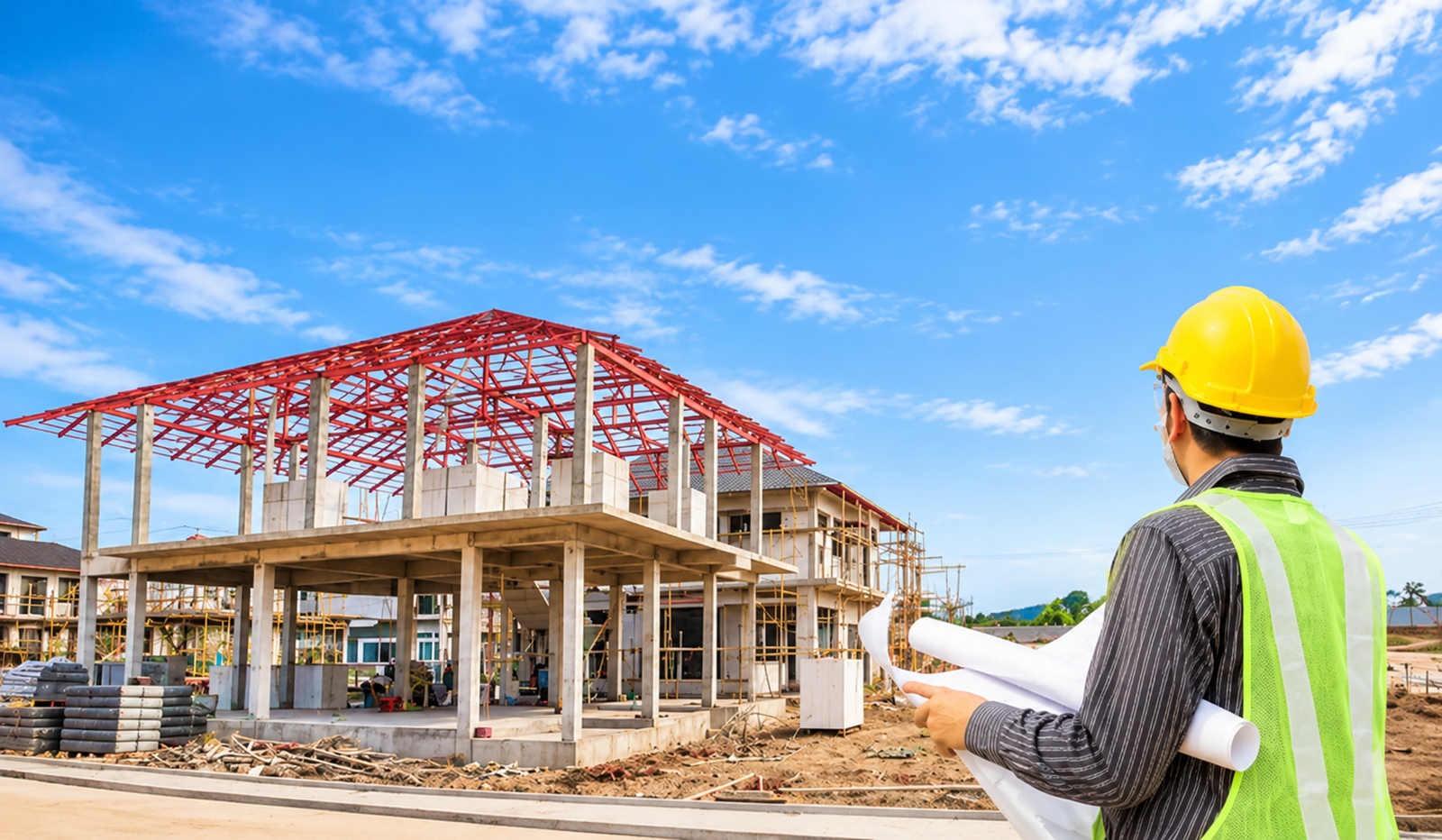
Choosing a residential property for future use or investment requires more than comparing plot sizes or advertised prices. Buyers need to consider planning, infrastructure, documentation, accessibility, and the credibility of the development process. For those researching residential plots in dholera, the challenge is often separating genuine long-term potential from assumptions based solely on future development. Kavvan Infra is involved in residential, commercial, and industrial development, making it useful for buyers to understand the factors that should guide a careful property evaluation.
What Defines a Well-Planned Residential Development
A residential development should be assessed as a complete environment rather than simply as individual parcels of land. The surrounding infrastructure can influence both usability and future demand.
Road connectivity, utility access, drainage, internal roads, open spaces, and proximity to essential services can all contribute to a property’s practical value. Buyers should also consider whether development is already established or still progressing.
Before making a decision, examine:
- Quality and accessibility of internal roads
- Availability of electricity and water infrastructure
- Drainage and other essential civic provisions
- Planned residential and community facilities
- Accessibility from major roads and transport routes
- Surrounding development and land-use patterns
This broader approach helps buyers understand what they are actually acquiring rather than focusing exclusively on the size or price of a property.
Evaluating Developers Before Making a Commitment
The credibility and working practices of developers in dholera can be an important part of a buyer’s decision. A developer should be evaluated through documentation, project transparency, communication, and clarity about the development process.
Buyers can begin by asking for details about the project layout, ownership structure, applicable approvals, plot specifications, infrastructure plans, and transaction terms. Information should be consistent across the documents provided.
A useful evaluation framework includes:
| Evaluation Area | What Buyers Should Examine | Practical Benefit |
| Documentation | Ownership, permissions and applicable records | Helps identify legal concerns |
| Project planning | Layout, access and proposed facilities | Clarifies the development structure |
| Infrastructure | Existing and planned amenities | Helps assess usability |
| Communication | Written terms and clear responses | Reduces misunderstandings |
| Financial terms | Total cost and payment schedule | Supports realistic budgeting |
Independent legal verification can also be appropriate, particularly when buyers are unfamiliar with land transactions.
Understanding Future Development Potential
Future potential should be considered carefully rather than treated as a guaranteed outcome. Large infrastructure projects can influence surrounding development, but the timing and extent of their impact may vary.
A buyer should distinguish between infrastructure that is operational, currently under construction, officially planned, or merely anticipated. This distinction matters because investment decisions based on uncertain timelines can create unrealistic expectations.
Site visits remain valuable even when extensive project information is available online. Visiting the property can help buyers assess road conditions, neighbouring construction, accessibility, drainage, and the character of the surrounding area.
It is equally important to think about the intended use. A property purchased for eventual home construction may require different considerations from land being held purely as a long-term investment.
Assessing Plot Selection With a Practical Framework
When comparing dholera plots, buyers should avoid assuming that every parcel within a development offers identical advantages. Size, dimensions, orientation, road access, surrounding plots, and intended construction can all influence suitability.
A practical comparison should consider:
- Purpose: Determine whether the land is intended for a home, future construction, or investment.
- Budget: Include registration, taxes, development-related charges, and other acquisition expenses.
- Location within the development: Examine access roads, surrounding facilities, and neighbouring land use.
- Holding period: Consider whether you can retain the property comfortably if development takes longer than expected.
- Documentation: Ensure the specific parcel being purchased is clearly identified in the relevant records.
Comparing these factors together provides a more meaningful assessment than relying on the quoted rate alone.
Making a More Informed Property Decision
A disciplined approach can make the buying process considerably clearer. Start by defining your objective and financial limits, then shortlist developments that fit those requirements. After that, verify documents and inspect the property before committing.
Buyers should also ask for clarity about all costs rather than focusing on an initial booking figure. Additional expenses may affect the overall affordability of the purchase.
Avoid making decisions purely because of urgency, promotional deadlines, or assumptions about rapid appreciation. Land is generally a long-term asset, so the decision should remain comfortable even if development progresses more slowly than anticipated.
Conclusion
Selecting a property responsibly requires a combination of research, financial planning, documentation checks, and realistic expectations. Buyers considering residential projects dholera should look beyond headline prices and examine infrastructure, project planning, developer transparency, plot characteristics, and their intended holding period. A thorough evaluation does not eliminate investment risk, but it can help ensure that the final decision is based on verified information rather than assumptions. The most suitable property is ultimately one that aligns with both the buyer’s practical requirements and long-term financial capacity.
FAQs
What should I check before selecting a residential development?
Review documentation, infrastructure, accessibility, layout, total costs, development status, and the suitability of the property for your intended purpose.
Why is the developer important when purchasing land?
A transparent development process can make it easier to understand project documentation, payment terms, infrastructure plans, and other aspects of the transaction.
Should I visit a property before buying it?
Yes. A physical inspection can reveal practical details about access, surrounding development, roads, drainage, and the overall environment that may not be apparent from online information.
Is future infrastructure a guarantee of higher property value?
No. Future infrastructure may support development potential, but appreciation is never guaranteed. Buyers should consider present conditions and verified plans separately.
How can I compare two similar plots?
Compare their dimensions, access, orientation, documentation, total acquisition cost, surrounding development, and suitability for your intended use.
No comment