
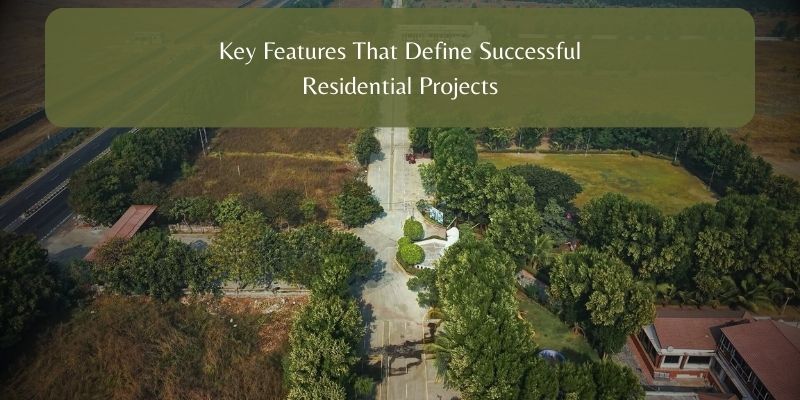
Building Communities That Endure
The success of a housing development is rarely determined by architecture alone. It emerges from thoughtful planning, infrastructure readiness, regulatory clarity, and long-term liveability. In emerging urban corridors such as residential projects dholera, planners are redefining community design by integrating sustainability, accessibility, and economic foresight. A well-executed neighbourhood is not simply a cluster of homes; it is a coordinated ecosystem designed to support families, professionals, and investors over decades.
Modern buyers evaluate more than square footage. They examine connectivity, civic planning, environmental standards, and long-term appreciation potential. Projects that respond to these expectations establish themselves as durable assets within expanding metropolitan regions.
Strategic Location and Connectivity
Location remains a defining factor in real estate performance. Proximity to transport infrastructure, employment hubs, and essential services directly influences both demand and appreciation.
Successful housing developments typically demonstrate:
- Direct access to arterial roads and transit corridors
- Connectivity to industrial and employment zones
- Proximity to educational institutions and healthcare facilities
- Accessibility to retail and recreational centres
- Integration with future infrastructure plans
When connectivity aligns with economic growth strategies, neighbourhoods evolve into sustainable urban clusters rather than isolated enclaves.
Infrastructure Preparedness and Urban Planning
Infrastructure is the backbone of any thriving community. Internal roads, drainage systems, electricity distribution, and water supply networks determine functionality and comfort. Projects designed within master-planned frameworks benefit from coordinated civic amenities and structured layouts.
In emerging smart city regions, integration between housing zones and commercial plots in dholera strengthens local economies. Retail centres, office spaces, and service establishments create employment opportunities while enhancing day-to-day convenience for residents.
Key infrastructure elements contributing to success include:
- Wide internal road networks
- Reliable power and water systems
- Efficient waste management
- Green spaces and landscaped areas
- Planned civic and recreational facilities
These features transform land into cohesive communities capable of supporting long-term growth.
Regulatory Compliance and Documentation Transparency
Clear title ownership and compliance with zoning regulations provide foundational security. Investors and homebuyers prioritise developments that demonstrate legal transparency and structured approvals.
Regulatory clarity ensures:
- Smooth property transfers
- Eligibility for institutional financing
- Reduced legal risks
- Alignment with municipal development guidelines
- Greater buyer confidence
Projects developed within official planning frameworks often experience stronger resale liquidity due to their documented legitimacy.
Sustainable Design and Environmental Responsibility
Environmental integration has become a defining feature of successful housing initiatives. Modern buyers expect eco-conscious planning that balances urban living with natural preservation.
Sustainability measures frequently include:
- Rainwater harvesting systems
- Energy-efficient street lighting
- Green belts and landscaped parks
- Stormwater management solutions
- Climate-responsive architectural guidelines
Such elements contribute to healthier living environments while supporting regulatory compliance with environmental standards.
Economic Ecosystem Integration
Housing developments flourish when supported by complementary economic infrastructure. The presence of commercial property in dholera enhances neighbourhood vitality by attracting businesses, retail establishments, and service providers.
An integrated economic ecosystem promotes:
- Reduced commute times for residents
- Increased employment generation
- Greater property value stability
- Improved rental demand
- Long-term appreciation driven by economic activity
Communities designed with mixed-use principles tend to demonstrate stronger resilience during market fluctuations.
Social Infrastructure and Lifestyle Amenities
A successful neighbourhood extends beyond physical structures. Social infrastructure—schools, healthcare centres, community halls, and recreational spaces—creates a sense of belonging and stability.
Lifestyle-focused developments often incorporate:
- Parks and walking tracks
- Sports facilities
- Community gathering areas
- Retail convenience outlets
- Security infrastructure
These features enhance liveability while supporting long-term occupancy demand.
Scalability and Future Expansion
Projects designed with scalability in mind are better positioned for sustained relevance. Phased development strategies allow for gradual expansion aligned with population growth and infrastructure milestones.
Forward-thinking planning considers:
- Future transport connectivity
- Expansion of employment hubs
- Integration with industrial corridors
- Smart city digital infrastructure
- Adaptive land-use planning
This foresight ensures that communities evolve alongside regional economic progress rather than stagnate.
Investment Viability and Appreciation Potential
Successful housing initiatives balance lifestyle appeal with financial performance. Appreciation is driven by infrastructure growth, economic expansion, and demographic trends.
Investors assess:
- Urban development timelines
- Government-backed initiatives
- Connectivity improvements
- Demand-supply dynamics
- Long-term urbanisation patterns
When these indicators align positively, property values typically reflect sustained upward movement.
Community Identity and Long-Term Stability
A cohesive neighbourhood fosters social stability and enduring value. Identity emerges through thoughtful layout, public spaces, and consistent architectural standards. Developments that cultivate community interaction and environmental harmony establish themselves as long-term assets rather than transient investments.
Structured planning, economic integration, and sustainable design collectively define enduring success.
Conclusion
The defining characteristics of a thriving housing development extend far beyond construction quality. Strategic location, infrastructure readiness, regulatory transparency, environmental responsibility, and economic integration collectively determine long-term performance.For investors and homebuyers evaluating dholera residential projects, understanding these core features is essential for informed decision-making. As outlined by Kavvan Infra, projects aligned with smart urban planning and infrastructure growth are positioned to deliver stability, appreciation, and sustainable community development within evolving metropolitan corridors.